

Lubbock Urgent Care Shares Tips on Fighting Common Fall Allergic Reactions
Nature can be gorgeous, especially around this time when the leaves change to their vibrant colors and the temperatures drop to the 50s and 60s. One thing that is not as fun during fall is suffering from allergies.
Sometimes these reactions can be pretty gnarly and threaten your health, so this is why My Urgent Care Lubbock has provided tips on how to recognize symptoms and avoid common fall allergy triggers right here in town.
Common Fall Allergies in Lubbock
As Halloween rears its ugly, papier-mâché head, there are other scares to be more concerned about. I'm talking about the three allergy triggers that affect the Lubbock area more than others.
#1. Ragweed Pollen
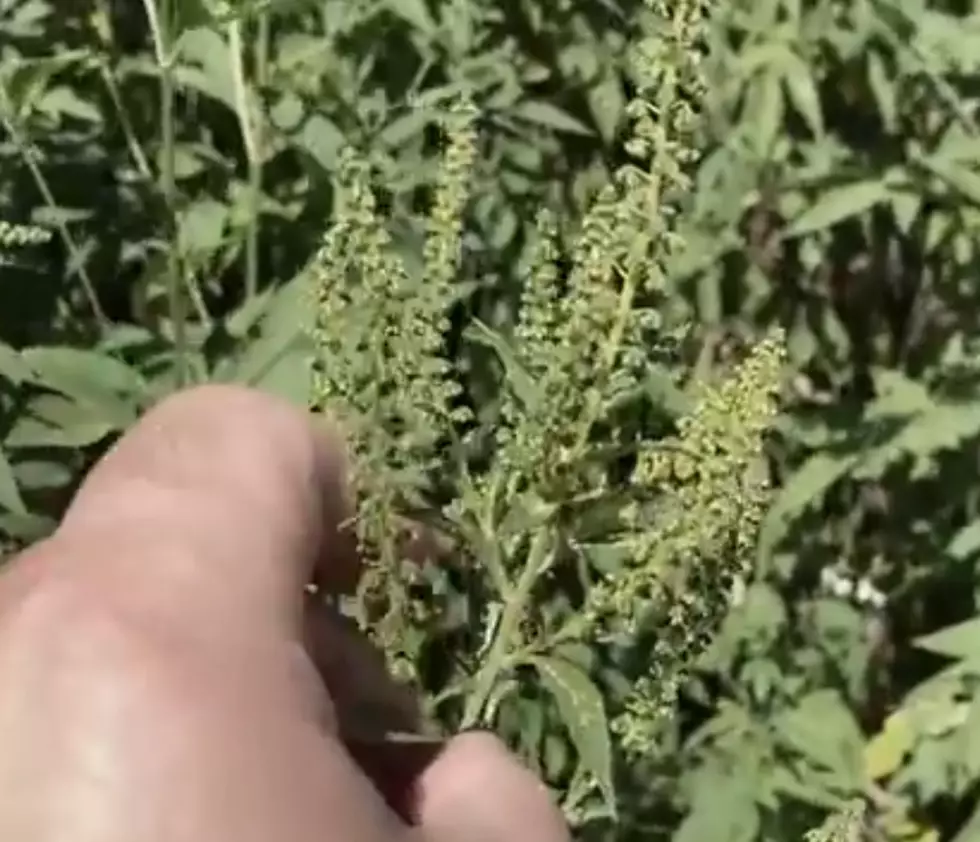
We're in the thick of ragweed releasing pollen into the air. In fact, pollen from ragweed is known to spike around late September and early October. And boy, do we have a lot of ragweed here in Lubbock and across West Texas.
You can easily identify ragweed by its distinctive appearance and small clusters that dump loads of pollen when shaken, rattled, or rolled.
#2. Mold Spores
The second most common fall allergy trigger in Lubbock is when damp conditions produce mold spores that get into the air. These are most common around piles of wet leaves or wood around your yard.
Given the vast amount of rainfall we've seen in the past week, mold spores are definitely some allergy triggers we need to be on the lookout for this season.
#3. Dust Mites
Finally, Lubbock's dry, dusty environment is perfect for dust mites, tiny bugs that live off of dead skin and microscopic food particles. It's nearly impossible to rid your entire house of dust mites, but by cleaning regularly and preventing any accumulation of dust bunnies, you can limit your risk of having allergic reactions.
Fun fact: Allergic reactions are not due to the dust mites themselves. It's the proteins found in their excrement and their decaying bodies that causes us to sneeze, cough, and blow our noses so much.
Your best bet in avoiding allergy symptoms from these common fall sources is to keep your windows closed, use HEPA filters to improve the air quality of your home, and clean regularly around the house. Washing your bedding with hot water is also recommended to get rid of any pollen sticking to your clothes or sheets.
When the Symptoms Turn from Annoying to Dangerous
According to My Urgent Care Lubbock, fall allergy symptoms can look just like a common cold, since the indicators like sneezing, stuffy noses, coughing, and watery eyes are shared between the two.
Usually, pollen-related allergy symptoms clear up in just a couple of days, but when they persist for more than a week or slowly get worse accompanied by a fever, then you should immediately seek medical attention.
Fall is here! Pumpkin spice is in the air. Unfortunately, so is pollen. Take the proper precautions here in Lubbock to avoid the common allergic reactions that we all know and love, and spend time with those who truly matter in this world!
8 Uncommon Symptoms You May Not Realize Are Caused By Allergies
Gallery Credit: Boris
10 Ways To Beat Pollen Allergies
Gallery Credit: Connor Kenney/Townsquare Media Quad Cities
Top 5 Texas Cities For Allergies
Gallery Credit: Dan Patrick
More From News/Talk 95.1 & 790 KFYO


