
These Are the Leading Causes of Winter Driving Accidents in Lubbock
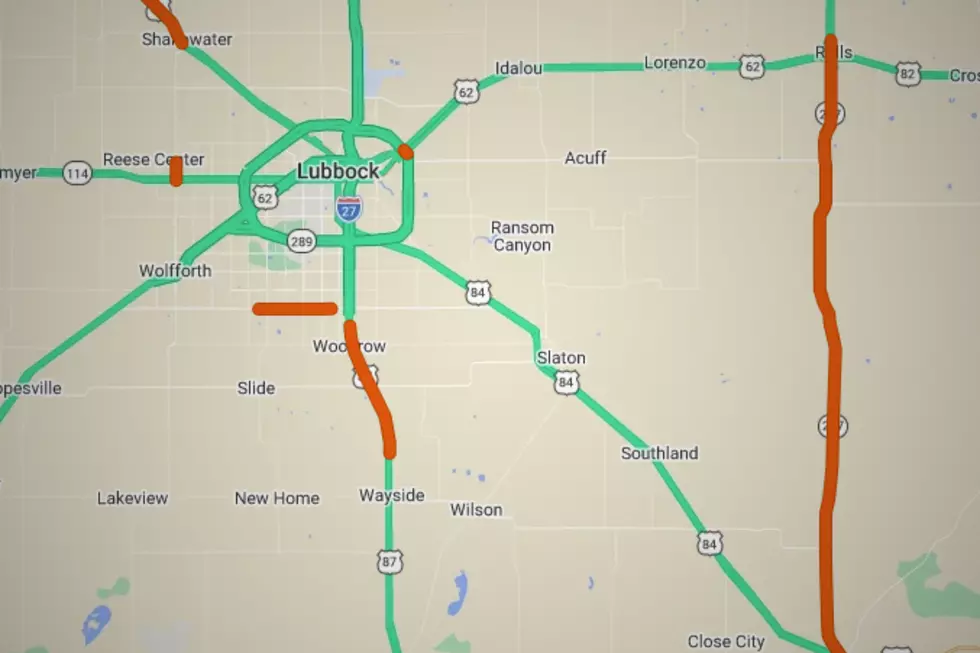
Unless you are living under a very well-insulated rock, you know that Lubbock just got a boat-load of snow. As fun as that is, with snow comes slippery roads. So, let's go over some of the most common winter-weather related driving accidents in Texas and best tips on how to avoid them.
Speeding and Slippery Intersections
According to Texas-based injury lawyers Daniel and Stark, the most common contributor leading to winter-related accidents is speeding—yeah, we could have guessed that. But before you go assuming the worst of people, it's important to remember that posted speed limits are for normal driving conditions on a calm sunny day.
Also, slamming on your brakes on a clean road is much different than doing so on an icy one. Even speeds of 15 to 20 miles per hour can be too fast for some slippery streets.
This is also why rear-end collisions are incredibly popular during winter weather. You may be going a safe speed behind someone, but the second they hit their brakes, you learn the hard way that you've been driving on ice the whole time, and BOOM, straight into their back bumper.

When I was in driving school, my instructor always told me that there should be enough space in front of you to fit one car length per 10 miles per hour. For example, you are driving 70 miles per hour on the highway, therefore you should leave about 7 car lengths between you and the driver in front of you.
Traffic lights and stop signs at intersections are other risky areas when snow covers the roads. You can lose control of your steering in less than a second when trying to brake for a red light, potentially sliding you into the middle of an intersection on a red light—not fun, by the way.
How to Avoid These Dangerous Factors
First off, the best way to avoid getting into a winter weather accident is to simply not drive, but if you must, then there are some ways to limit the risk.
The first tip is to limit your speed. Believe me, nobody's impressed when you fly past them on icy roads. All you're doing is making every single other driver nervous.
Also, do what I mentioned before by allowing enough space between you and the car ahead, you never know when they'll slam on their brakes or when your wheels start to slide.
Finally, a great tip to remember if you begin to "fishtail", meaning your car starts bobbing and weaving like a snake on the road, is to turn the steering wheel towards the direction the rear of your car is sliding.
This allows you to regain control of the vehicle without spinning out altogether. Oh yeah, and never slam on the brakes when you start sliding. Just ease off the gas and focus on regaining control. Oh yeah, and make sure there aren't any humans or other living things in front of you.
Texas Winter Storm Preparation Checklist To Stay Safe
Gallery Credit: Lori Crofford
10 Cold Weather Myths All Texas Citizens Need to Know
Gallery Credit: Nick
The 2021 Texas Snowmageddon In Pictures
Gallery Credit: Tasha Stevens
More From News/Talk 95.1 & 790 KFYO